A two-bus private bus business in India needs roughly ₹1 crore to ₹1.2 crore in 2026 if you buy ordinary fully-built diesel buses (₹31-45 lakh each), and ₹2.6 crore or more if you start with premium coaches. Add an All India Tourist Permit at ₹3 lakh per bus per year for interstate work. Payback is measured in years, not months.
How much does it cost to start a private bus business in India?
Two new ordinary buses plus permits, tax, insurance and working capital come to about ₹1-1.2 crore as of 2026; the same fleet in Volvo-class coaches runs ₹2.6-4 crore before you sell a single ticket. The vehicle is the whole story. Everything else is a rounding error next to it.
Bus makers do not publish fully-built prices, so these are listing bands from CMV360 and 91trucks (2026), which disagree with each other by 10-15%. Get a written quote from the dealer before you plan anything.
| Vehicle (new, ex-showroom, 2026) | Price band | Notes |
|---|---|---|
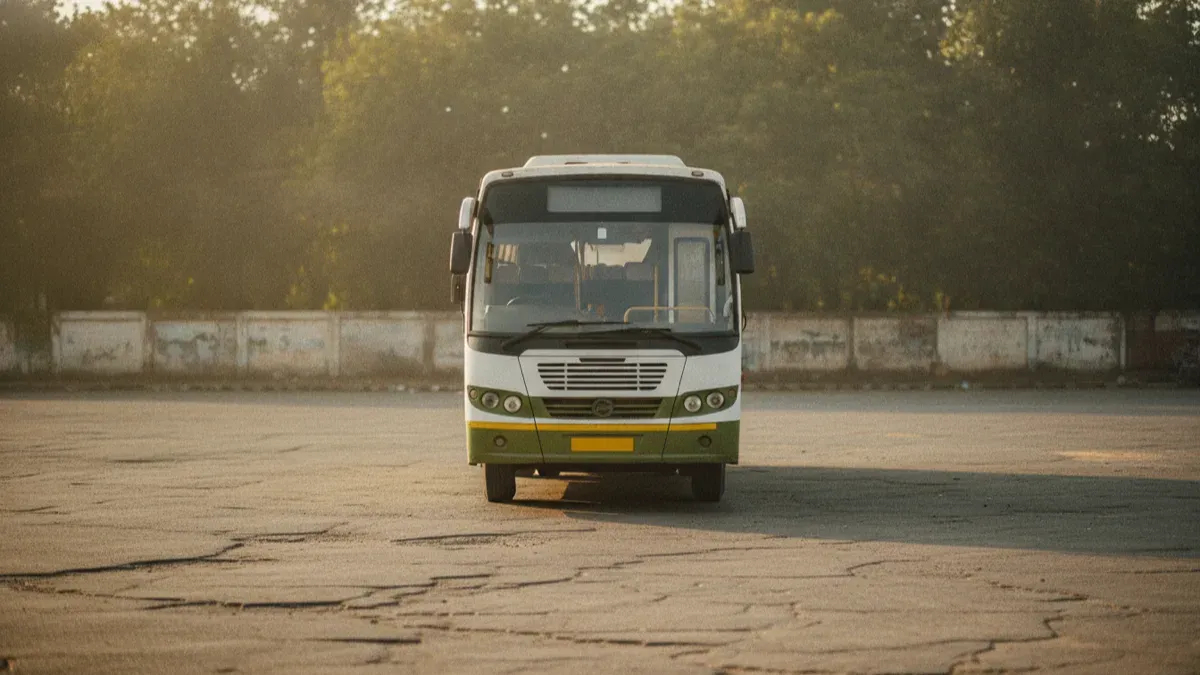
| Ashok Leyland Oyster / Viking / 12M FE (tourist and staff) | ₹31-45 lakh | Ordinary seater, non-AC or basic AC |
| Tata Starbus Ultra, 48-seat | ~₹32 lakh | Staff and school work |
| Tata Magna premium coach | ~₹99 lakh | Entry to the luxury tier |
| Volvo 9400 B8R | ₹90 lakh - 1.1 crore | Single-axle seater |
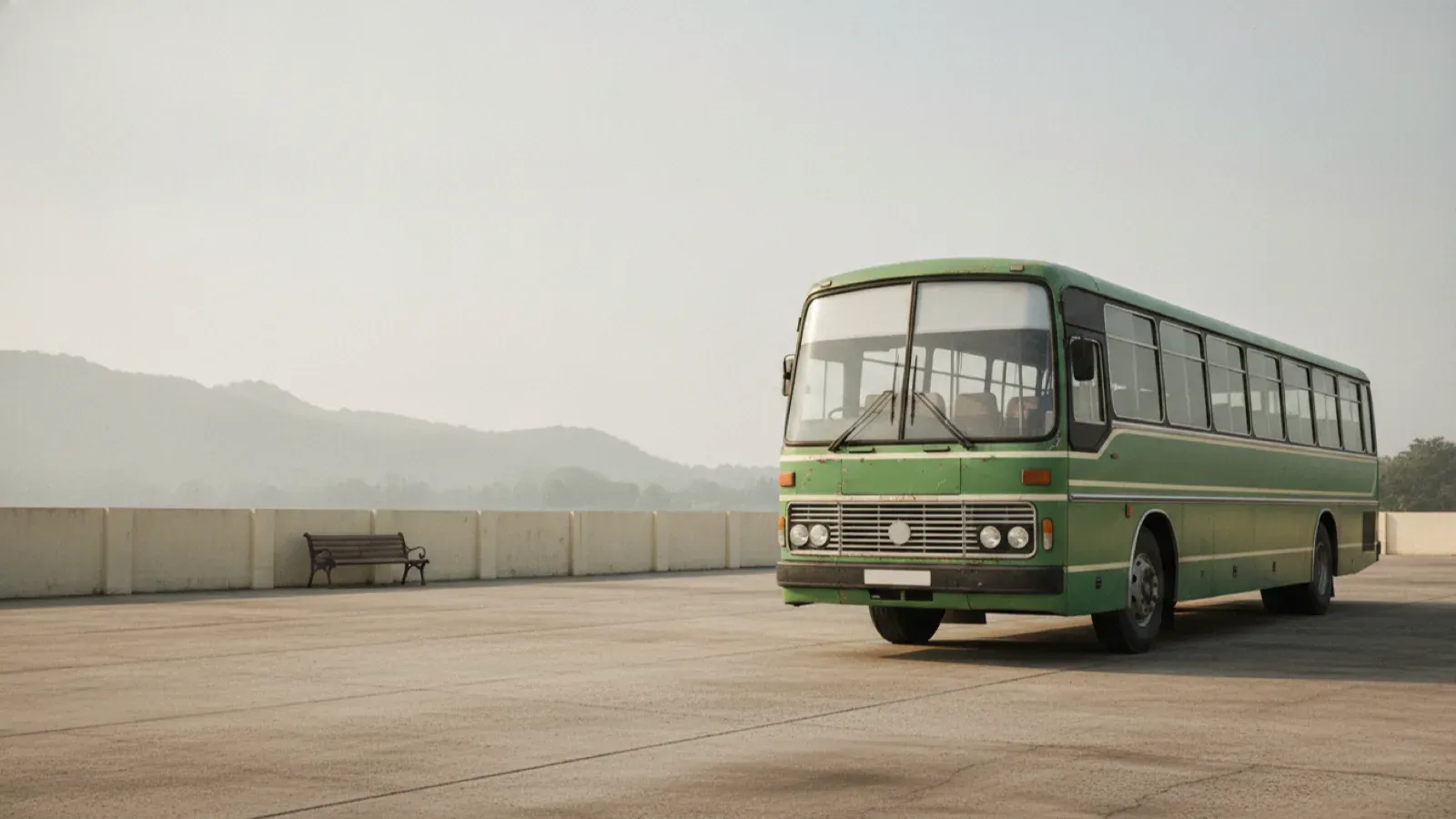
| Volvo 9400 B11R multi-axle sleeper | ₹1.2-1.4 crore | The common overnight sleeper |
| Volvo 9600 13.5 m | ₹1.3-1.55 crore | |
| Volvo 9600 15 m multi-axle sleeper | ₹1.55-2 crore | Top of the range; SLX reported at ₹2-2.5 crore |
So the "₹1 crore luxury bus" of a few years ago is now the entry point, not the typical figure. Volvo launched a 51-passenger 9600 seater-sleeper in July 2026; expect it in the ₹1.3-2 crore band too.
Used buses. Autoline classifieds in August 2026 list 2008-2012 Volvo B9R and 8900 coaches with 4.7-11 lakh km at ₹9.4-20 lakh, and newer low-km B9Rs up to about ₹78 lakh. Those are asking prices, not deals done. One catch decides whether a used coach is a bargain or scrap: an All India Tourist Permit cannot be granted to a vehicle more than 12 years from first registration (10 years for diesel registered in Delhi). A 2010 coach bought in 2026 is already over the line for interstate tourist work. For used coaches, buy nothing older than 7-8 years and check the registration date on the RC, not the model year.
Leasing exists through bus financiers and larger operators, and it turns a ₹1.5 crore purchase into a monthly outflow. Rates vary by lessor and we could not verify a band this year, so treat quotes as negotiable.
Working capital. Budget for three months of diesel, tolls, salaries, commercial insurance and the first year's permit fee before revenue steadies. On a Volvo-class interstate operation that working capital cushion alone is a few tens of lakhs per bus. Skipping it is how new operators end up parking a bus because they can't fill the tank.
Minimum entry for two ordinary buses (2026): ₹65-90 lakh for vehicles, then permits, state tax, insurance and cushion, landing at ₹1-1.2 crore. Fleet size is not a rule, it is a route decision: a daily return route needs one bus leaving each end every night, which means two buses. One bus can only run a route every other day, and passengers do not plan around that.
What permits and licenses does a bus operator need?
Under the Motor Vehicles Act 1988 you need one of three permits (contract carriage, stage carriage, or the All India Tourist Permit), plus transport-vehicle registration, a certificate of fitness, PUC, commercial insurance, state motor vehicle tax and GST registration. There is no separate "transporter licence"; if someone offers to arrange one for a fee, walk away.
| Permit | Section / rule | Who issues it | What it lets you do |
|---|---|---|---|
| Contract carriage permit | MV Act s.74, Form PCA | State or Regional Transport Authority | Whole-vehicle hire, point to point: corporate shuttles, school buses, tour groups, wedding parties |
| Stage carriage permit | MV Act s.72 | State Transport Authority under route schemes | Pick up individual-fare passengers at stops along a route; this is the "bus service" most people imagine |
| All India Tourist Permit (AITP) | All India Tourist Vehicles (Permit) Rules 2023 | Applied online on Parivahan; central scheme | Interstate tourist and intercity point-to-point operation without separate state permits |
The AITP is the permit that matters for intercity work. The 2023 rules (G.S.R. 302(E), in force from 1 May 2023) replaced the 2021 scheme. Application is on Parivahan, the permit is to be granted within 7 days and is deemed granted if no decision comes, validity runs from 90 days to 5 years, and the permit can be transferred to another vehicle of the same capacity category. Central AITP fees as of 2026:
| Seating capacity | Annual fee | Quarterly fee |
|---|---|---|
| Under 5 passengers | ₹20,000 | ₹6,000 |
| 5-9 passengers | ₹30,000 | ₹9,000 |
| 10-22 passengers | ₹80,000 | ₹24,000 |
| 23 and above (full-size bus) | ₹3,00,000 | ₹90,000 |
Battery, methanol and ethanol vehicles pay nothing. The fee is pooled and shared among states, which is why you no longer pay each state at the border. State motor vehicle tax is on top and differs by state; we did not verify a band this year, so ask your RTO. A 2024 draft amendment (G.S.R. 630(E)) would refuse AITP where FASTag toll dues are unpaid and require the operator's Aadhaar, CIN or GSTIN; as far as we verified it is still a draft, so check Parivahan before you apply.
Drivers. Heavy passenger vehicle licence with the commercial endorsement and the state's driver badge, plus the Motor Transport Workers Act 1961 hour limits covered in the hiring section below.
GST. Registration kicks in at ₹20 lakh turnover (₹10 lakh in special-category states), and one bus on a decent route crosses that in two months. Since 22 September 2025 (56th GST Council) the fare rules are:
| Service | GST on fare |
|---|---|
| Non-AC stage or contract carriage | Exempt |
| AC bus, or vehicle rental with operator | Operator elects 5% with restricted input credit, or 18% with full input credit |
| Aggregator commission | 18% GST on the commission; aggregator also deducts 1% TCS under s.52 |
The 18% route (up from 12%) matters more than it looks. Pick it and you can claim input credit on the coach itself, which on a ₹1.5 crore purchase is real money. Pick 5% and you cannot. Run both scenarios with a CA before registering; this is the one decision you cannot casually reverse.
Which business model should you pick: buy, lease, or attach?
Attaching your bus to an established operator's brand and booking system is the lowest-risk entry, a corporate staff contract is the steadiest cash flow, and running your own intercity brand is the highest upside with the highest capital and the most ways to lose it.
Attach. You own the bus, the operator sells the seats under their name, handles aggregator listings and counters, and pays you a per-trip or per-km rate. You learn the route, the breakdown pattern and the toll plazas on someone else's marketing budget. The downside is obvious: you are a supplier, and the margin is theirs.
Corporate and staff transport. Contract carriage for an IT park, factory or hospital means a fixed monthly invoice, daytime hours, short routes and an ordinary ₹31-45 lakh bus instead of a ₹1.5 crore coach. Non-AC contract carriage is GST-exempt. The risk is concentration: one client leaving takes the whole route with it, so never let one contract be more than half your revenue.
School and college. Same logic, with a fixed academic calendar and two dead months in summer. Price the contract for ten months of revenue against twelve months of EMI.
Tour packages. Weekend and pilgrimage circuits on a contract carriage permit, sold through travel agents. Highly seasonal, good cash in peak, and the bus sits idle otherwise unless you pair it with corporate weekday work.
Own intercity brand. AITP, sleeper coach, aggregator listings, your own counters. This is where the redBus-style demand is, and where the price wars are. Do it after a year of attach or contract work, not before.
How do you choose a profitable route?
A profitable route is one where you can fill the seats that cover your fixed cost every night, and the national number to beat is 76% occupancy, which is what redBus reported across its platform for April-September 2025. That same report (redBus India BusTrack via Autocar Professional, November 2025) gives you the demand shape: 140 million intercity passengers in six months, up 25% year on year, 6,000-plus private operators online, 6.7 lakh unique routes, 65% of routes longer than 250 km, and 61% of bookings from non-metros. Occupancy ranged from 84% in Andhra Pradesh and Telangana down to 63% in Madhya Pradesh and Chhattisgarh. These are redBus's own platform figures, so they describe online-booked demand; treat them as a ceiling for app-sold seats, not a forecast for your bus.
Estimating demand. Count the existing departures on your candidate route for a week on the apps, note how many seats are still open the evening before, and note the fare drop in the last few hours. Open seats and late discounts mean the route is saturated. Also check whether the state transport corporation runs the same leg; a cheap government service sets the fare ceiling.
Per-trip cost lines. Diesel (the largest and most volatile line), tolls, two drivers for any overnight leg, attendant, cleaning at both ends, tyres and maintenance reserve, parking and night halt, aggregator commission on app-sold seats, and the bus EMI split across trips. Get each one as a local quote. We deliberately do not print a diesel or toll figure here; both change too often to trust a number on a blog.
Break-even occupancy, the practitioner way. Take the Maharashtra average online seat price from the same redBus report, ₹1,066 (2025), and assume aggregators take roughly 12% on app seats (operators report 10-20%, negotiated; redBus publishes no rate card). A seat sold on the app nets about ₹940. One seat filled every night is worth about ₹28,000 a month. So every ₹28,000 of monthly cost you add, whether an EMI, a second driver or a higher toll, needs one more seat filled every single night to stay even.
Break-even seats per trip = total monthly cost ÷ (trips per month × net fare per seat). Plug in your own quotes; if the answer comes out above 30 seats on a 45-seat coach, the route cannot absorb a bad month.
How do you get bookings: online aggregators vs agents?
Most intercity seats are now sold through apps, and no operator of any size can skip the aggregators, but the commission of roughly 10-20% per ticket (operator-reported, negotiated, no published rate card) is exactly why the best operators push repeat passengers to book direct.
Aggregators. The passenger-facing platforms are redBus, AbhiBus (acquired by ixigo in 2021 and now its bus arm), MakeMyTrip, Goibibo, Paytm and ixigo. Bitla Software is often listed alongside them and that is a mistake: Bitla's TicketSimply is operator-side inventory software (2,500-plus operators, 20,000-plus buses, per its own site) that pushes your seat map to the aggregators. You need one inventory system feeding all the platforms, otherwise you will double-sell seats by the second week. Remember the GST treatment above: the platform charges 18% GST on its commission and deducts 1% TCS on your collections.
Your own channels. A phone number that actually answers, a WhatsApp Business line and a simple booking page. The direct seat saves the commission and builds the passenger list you will need on the day an aggregator changes its terms. Operators who win repeat custom do small things passengers talk about: online check-in, water and a snack on sleeper legs, a few extra-legroom seats sold at a premium, and a customer-care desk that picks up. None of that costs a fraction of an EMI.
Agents and counters. Booking agents in towns along the route and a counter at each terminal still move seats, especially for passengers who pay cash and for the non-metro demand that made up 61% of redBus bookings. Agents work on commission and settle with you periodically, so the receivable discipline matters.
We could not find a sourced online-versus-offline split; the often-quoted "90% online" has no provenance, so do not plan around it. Assume apps sell most of your seats and price the commission into every fare.
Who do you need to hire?
For each intercity coach you need two drivers, one attendant and shared cleaning and maintenance staff, because the law caps a driver at 8 hours a day. The Motor Transport Workers Act 1961 sets the limits: section 13 allows 8 hours a day and 48 a week, or up to 10 a day and 54 a week on long-distance routes with the authority's approval; section 15 requires at least 30 minutes' rest after 5 hours and 9 consecutive hours off between duties; section 19 gives one rest day in seven. Any overnight route longer than about 10 hours is therefore a two-driver job by law, and the second driver is a cost line that most startup plans forget.
Staff you will need per operation:
| Role | Per bus or shared | Why |
|---|---|---|
| Driver (HPV licence, badge) | 2 per intercity bus | Driving-hour limits above; one driver on a short staff or school route |
| Attendant / conductor | 1 per bus | Boarding, luggage, passenger list, the person your review rating depends on |
| Cleaner | Shared across fleet | Coaches get cleaned at both terminals; a dirty sleeper is a one-star review |
| Mechanic or service contract | Shared | Premium coaches are usually serviced under a manufacturer contract; ordinary buses at a local workshop |
| Counter or phone staff | Shared | Direct bookings, refunds, cancellations |
Salaries vary by state and by whether you pay per trip or a monthly wage, and we did not verify a band this year, so take the figure from operators on your route. Whatever it is, put it in the per-trip cost model before you fix the fare. Plan the roster so the rest-day rule is met without a bus sitting idle: with two buses on a return route you need five drivers, not four.
Is the private bus business profitable in 2026?
Yes on a good route, with the honest caveat that a premium coach costs 12-18 months of gross revenue and the EMI on it is the single line that decides profit. Work the numbers with the sourced inputs from the redBus data.
One route, one sleeper coach, worked example (assumptions flagged):
| Line | Figure | Where it comes from |
|---|---|---|
| Seats | 45 | Assumption for a seater-sleeper |
| Occupancy | 76% → 34 seats | redBus pan-India, Apr-Sep 2025 |
| Average fare | ₹1,066 | redBus Maharashtra average, 2025 |
| Gross per one-way trip | ~₹36,000 | 34 × ₹1,066 |
| Trips per month | 30 | One departure every night |
| Gross per month per bus | ~₹10.9 lakh | Before GST, commission and every cost |
| Aggregator commission | ~₹1.1-2.2 lakh | 10-20% on app-sold seats, operator-reported |
| AITP fee | ₹25,000 | ₹3 lakh a year, 2023 rules |
| Diesel, tolls, two drivers, attendant, maintenance, insurance, parking | Your quotes | Local and volatile; do not use a blog number |
| Coach EMI | Your financier's quote | On ₹1.3-2 crore |
A Volvo 9600 at ₹1.3-2 crore is 12 to 18 months of that gross figure. Once diesel, salaries and commission come off, the free cash that services the EMI is a fraction of the ₹10.9 lakh, which is why payback on a financed premium coach runs to years. Ordinary buses on contract work earn less per month but cost a third as much and carry no commission, so the payback period is often shorter even though the headline revenue is smaller.
Price wars and seasons. Competition caps the fare on almost every route, and the apps make that visible to the passenger in real time. Festivals, wedding season and long weekends fill buses at full fare; the weeks after are where the late-evening discounts appear. A route that only breaks even in peak is not a route.
What the demand data says about the bus you buy. On redBus in April-September 2025, AC services were 71% of seats sold and sleeper or hybrid buses were 85% of journeys. That is online demand, which skews premium, but it tells you that on intercity overnight legs a non-AC seater is fighting for the remaining slice.
Payback. We found no sourced payback timeline and the old "profitable in 3-6 months" claim has no basis. Derive yours from the table: if your net after every cost is, say, 15-20% of gross, a ₹1.5 crore coach takes several years. Earnings estimates vary by route, season and how you financed the bus; nothing here is a guarantee.
If ₹1 crore-plus is out of reach, smaller-ticket businesses such as a car wash or a DTDC courier franchise start at a fraction of the capital, with far less regulatory load.

What are the biggest risks and how do operators manage them?
Diesel, breakdowns, enforcement and a broken promise to a passenger are the four ways a bus business goes under, and each has a boring operational answer.
Fuel. The largest variable cost and the one you control least. Operators manage it with fuel cards at fixed pumps, driver incentives tied to km per litre, and a fare surcharge clause in corporate contracts. If you run ethanol, methanol or battery buses, the AITP fee is zero under the 2023 rules, which is a small offset worth knowing about.
Breakdowns and lifespan. Volvo Buses India states a 17-year design life for its intercity sleeper coaches (25 years for city buses), and used listings show B9Rs from 2008-2012 still trading at well past 10 lakh km. The regulatory clock is shorter than the mechanical one: the AITP 12-year cap from first registration decides when an interstate coach must be retired or moved to a contract carriage role. Plan a maintenance reserve per km from the first trip and keep one bus's worth of spare capacity across the fleet so a breakdown does not become a cancelled departure.
Enforcement. Overloading, expired fitness, a lapsed PUC, a driver past the legal hours, unpaid FASTag dues: each is a roadside fine today and, under the draft AITP amendment, a reason for the permit to be refused tomorrow. Keep a document folder on every bus and a calendar of fitness, insurance and permit renewals.
Trust and cash. Punctuality, a clean coach, a refund policy that is honoured and a phone that is answered are what separate a 4.5-rated operator from one with empty seats on the app. Cash discipline matters on the other side too: agents and corporate clients settle periodically, and the money you are owed is easy to lose track of across a dozen counters. To track those receivables, a free khata app like OkCredit keeps every entry backed up and sends automatic payment reminders.
FAQs
What is the minimum investment to start a bus business in India in 2026?
Around ₹1-1.2 crore for a two-bus operation using ordinary fully-built diesel buses at ₹31-45 lakh each, including permits, tax, insurance and working capital. A two-coach premium fleet (Tata Magna at about ₹99 lakh, Volvo at ₹1.3-2 crore) needs ₹2.6-4 crore or more. Figures are 2026 listing bands; dealers do not publish fully-built prices.
How much does a bus permit cost in India?
The All India Tourist Permit for a full-size bus (23-plus seats) costs ₹3,00,000 a year or ₹90,000 a quarter under the 2023 central rules, with zero fee for battery, methanol and ethanol vehicles. Contract and stage carriage permits are issued by the state or regional transport authority and state motor vehicle tax is charged separately; confirm both with your RTO.
How many km does a bus last?
Volvo Buses India quotes a 17-year design life for intercity sleeper coaches, and used B9Rs from 2008-2012 trade at well past 10 lakh km. The practical limit is regulatory: no AITP for a vehicle over 12 years from first registration (10 years for diesel in Delhi).
Should I buy a luxury coach or an ordinary bus?
For intercity overnight routes the online demand is premium: AC services were 71% of seats sold and sleepers 85% of journeys on redBus in April-September 2025. For corporate, school or staff contracts an ordinary ₹31-45 lakh bus is the right tool and non-AC contract carriage is GST-exempt. Match the bus to the permit and the route, not to what looks good in the yard.
How long does it take for a bus business to become profitable?
There is no sourced timeline. At 76% occupancy and a ₹1,066 average fare, one coach grosses about ₹10.9 lakh a month (2025 redBus inputs), and a ₹1.3-2 crore coach costs 12-18 months of that gross. After diesel, salaries, commission and EMI, payback on a financed premium coach is usually several years; ordinary buses on contract work often pay back sooner. Estimates vary by route and financing.