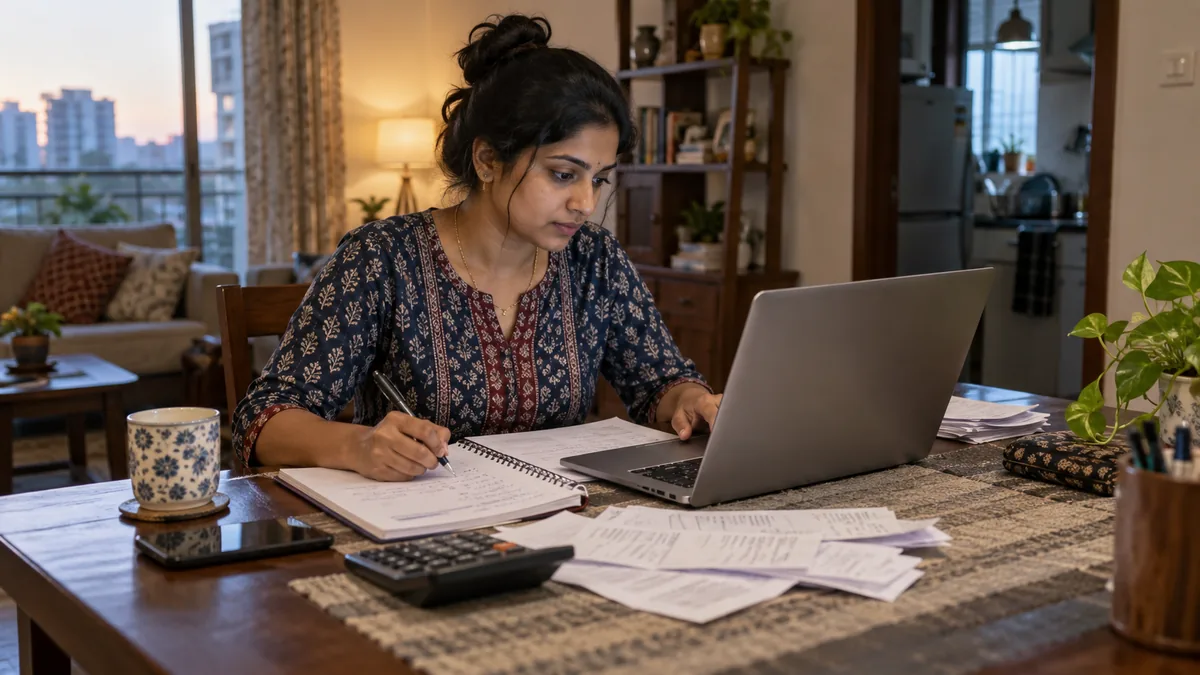
A computer expert can start with one local buyer problem before taking on rent or inventory. Each investment band below is a lean planning estimate, not a market quotation or promise of revenue. Confirm local permission, equipment and insurance costs before spending, then measure paid demand and direct costs on the first jobs.
Which local customer group can support the idea?
A technical skill is not yet an offer. A local shop owner does not buy “IT”; they buy a working printer, a backup that can be restored, a catalogue that loads on a phone or a website that accepts enquiries. Define one outcome, one customer type and a fixed scope before setting a rate.
The 2026 opportunity is uneven. A 20-person wholesaler may need a spreadsheet cleaned and synced; a clinic needs reliable appointment records; a neighbourhood retailer may need product photos and a current Google Business Profile. Start with the business type you understand, not the tool you enjoy using. Interview five owners and ask what they paid to solve the problem last time.
What does each idea need for a useful first test?
The figures below are planning bands for a lean pilot. They are not market quotations; rent or a substantial fit-out sits outside them.
1. Website maintenance for retailers. Small catalogues need product updates, broken-link checks and form monitoring. A sensible first test: Offer a one-week site audit to five stores and quote only listed fixes.
2. Local Wi-Fi and printer setup. Clinics, coaching rooms and offices lose work when devices disconnect. A sensible first test: Map the existing network before buying routers; price travel and cable separately.
3. Computer repair visits. Home offices and small firms want a technician who visits on a booked slot. A sensible first test: Start with software diagnostics and common upgrades; do not accept board-level work beyond skill.
4. Small-business backup checks. Retailers often have invoices on one computer and no restore-tested copy. A sensible first test: Run a documented restore drill with dummy files before offering a monthly plan.
5. Spreadsheet cleanup and automation. Distributors track stock and dues in sheets that have grown across multiple versions. A sensible first test: Take a redacted sample, estimate the cleanup, and agree which sheet is the source of truth.
6. Basic security hygiene review. Small teams need MFA, patching and account access reviewed without a large consulting contract. A sensible first test: Offer a permission-based checklist; never scan a client network without written scope.
7. Cloud email and file migration. A growing team needs shared ownership, proper access and a migration plan. A sensible first test: Test one mailbox and a rollback path before scheduling a company-wide cutover.
8. Product photo editing. Local sellers need consistent images for their own catalogue. A sensible first test: Process 20 products as a paid sample and agree image rights and file sizes.
9. Local search profile management. Independent service firms need correct hours, categories and enquiry details online. A sensible first test: Fix one listing and report the fields changed; do not promise a search ranking.
10. Computer skills tutoring. Students and job seekers pay for practical sessions on spreadsheets or office tools. A sensible first test: Run a paid small-group workshop and ask for a topic-specific learning goal.
11. Dashboard building. Owners want sales and stock signals in one view, but data quality comes first. A sensible first test: Audit source columns and definitions before agreeing on dashboard outputs.
12. No-code workflow setup. Small firms repeat lead, reminder and document tasks across separate tools. A sensible first test: Automate one low-risk workflow with manual fallback and client sign-off.
13. Printer fleet maintenance. Schools and offices need toner, maintenance and downtime tracked across devices. A sensible first test: Start with a device inventory and service window, not a toner warehouse.
14. E-commerce catalogue operations. Small sellers need clean SKUs, images, stock counts and listing upkeep. A sensible first test: Offer a one-category listing cleanup and report rejected or incomplete fields.
15. Website accessibility checks. Organisations need pages usable by keyboard and assistive technology. A sensible first test: Use published accessibility standards and state the limits of a manual review.
16. IT asset inventory. A small office needs serials, owners, warranty dates and return status recorded. A sensible first test: Run a one-room inventory and hand over a dated register.
17. Technical documentation. Teams lose time when setup instructions exist only in one employee’s memory. A sensible first test: Document one repeat task and get another staff member to follow it unaided.
18. Remote helpdesk for micro firms. A recurring support window can fit a business too small for dedicated IT staff. A sensible first test: Sell a capped monthly hours pack with response rules and exclusions.
How do you compare the shortlist?
Treat the listed ranges as a lean pilot budget for a laptop, software, travel and a simple portfolio. They are not a salary forecast or the fee a client will pay. A freelancer who already owns equipment may start below a consultant who needs a test device, paid software and liability cover. Confirm current software terms and data rules before handling customer data.
| Idea group | Pilot range |
|---|---|
| Website maintenance for retailers | ₹15,000–₹60,000 |
| Local Wi-Fi and printer setup | ₹20,000–₹80,000 |
| Computer repair visits | ₹35,000–₹1.2 lakh |
| Small-business backup checks | ₹25,000–₹90,000 |
| Spreadsheet cleanup and automation | ₹10,000–₹45,000 |
| Basic security hygiene review | ₹15,000–₹65,000 |
| Cloud email and file migration | ₹30,000–₹1.2 lakh |
| Product photo editing | ₹15,000–₹60,000 |
| Local search profile management | ₹10,000–₹40,000 |
| Computer skills tutoring | ₹12,000–₹50,000 |
| Dashboard building | ₹25,000–₹1 lakh |
| No-code workflow setup | ₹20,000–₹90,000 |
| Printer fleet maintenance | ₹35,000–₹1.1 lakh |
| E-commerce catalogue operations | ₹25,000–₹1 lakh |
| Website accessibility checks | ₹15,000–₹70,000 |
| IT asset inventory | ₹12,000–₹50,000 |
| Technical documentation | ₹10,000–₹40,000 |
| Remote helpdesk for micro firms | ₹25,000–₹90,000 |
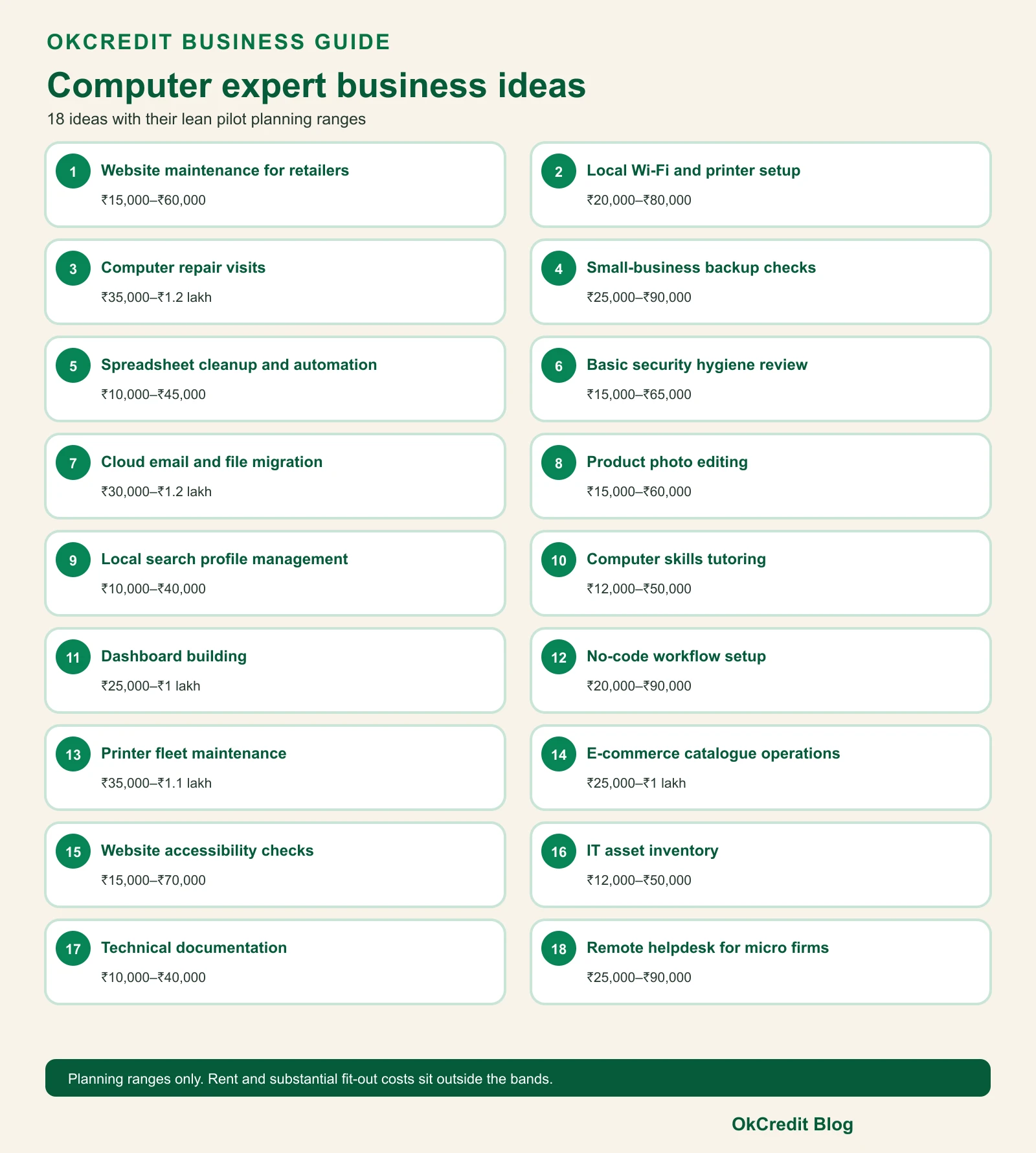
Compare idea groups with their lean pilot range.
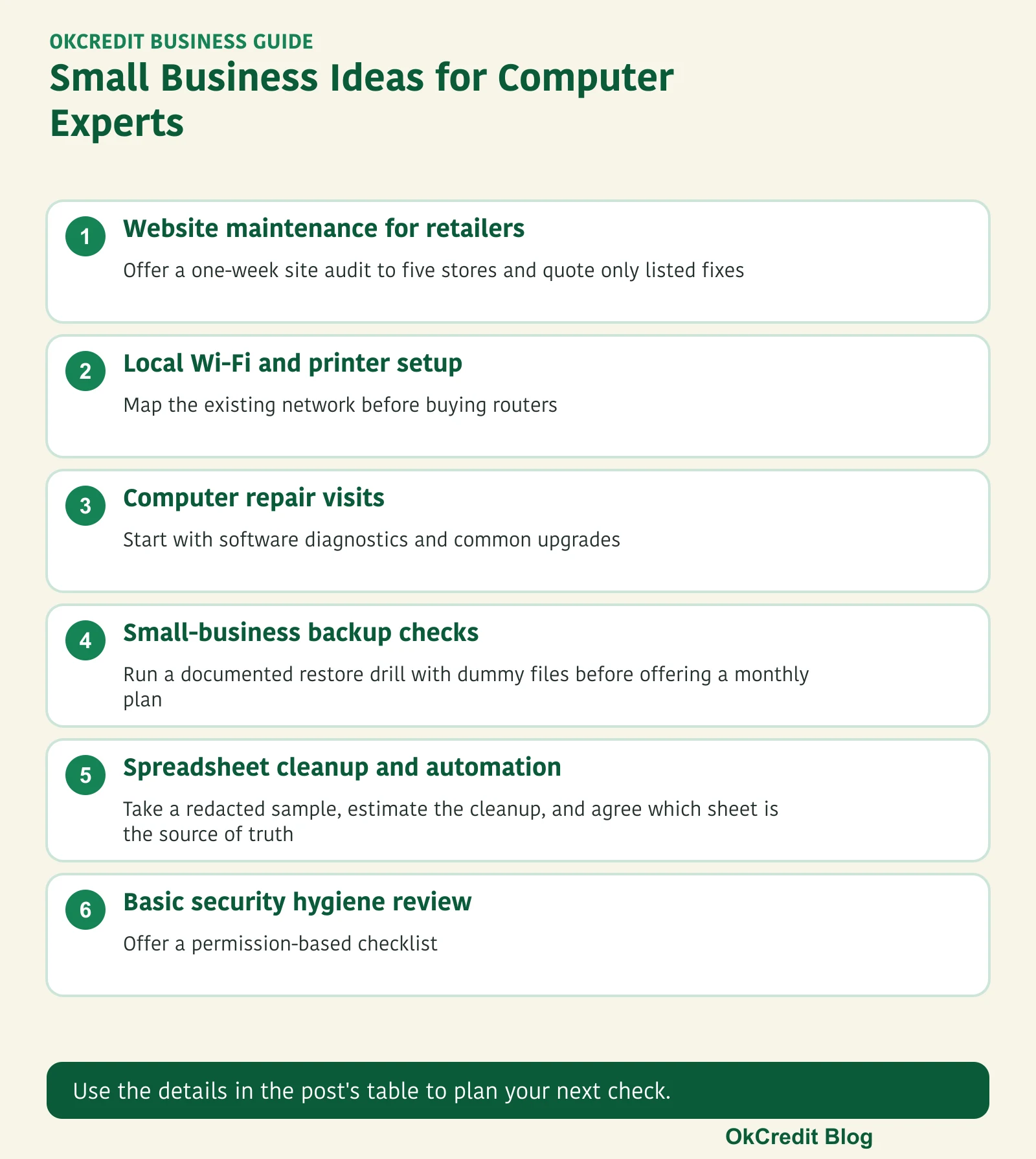
Collect paid proof from the first client before scaling.
How should you present the offer to a first buyer?
The first service agreement should specify what is included, how many revisions, who supplies credentials, when access is removed and what counts as acceptance. Use a separate test account and avoid retaining customer passwords. For backups, prove that a sample restore works; a folder copied to the same laptop is not a disaster recovery plan.
A client’s system may hold customer addresses, invoices or health information. Collect the least data needed, use access controls, encrypt devices and agree deletion timing. If a job involves regulated data or security testing, ask for written permission and keep work within your competence. Do not market a basic checklist as a formal cybersecurity certification.
One-time jobs make cash flow lumpy. Package an initial audit separately from recurring maintenance and keep the scope measurable. A support retainer should spell out response hours, included fixes, out-of-hours charges and client responsibilities. If you sell software subscriptions, tell the buyer which costs renew automatically and whose account owns the licence.
Build a portfolio from demo data or client-approved screenshots. Before/after numbers should come from measured system performance, not invented savings. A short case note can show the client problem, the exact change, time taken and any limitation. Get permission before publishing the customer name or logo.
At month end, compare collected fees with travel, software renewals, payment fees and unpaid invoices. Revenue booked is not the same as money in the bank. Set aside tax after checking your registration and invoicing obligations with a qualified professional. Avoid promising that a digital tool will “double sales”; promise a defined technical deliverable instead.
What should you measure in the first month?
At day end, separate enquiries, paid work, refunds and outstanding invoices. Gross order value does not tell you whether a weekend service paid for materials, travel, platform deductions and your own time. Keep a simple spreadsheet with one row per job and retain supplier receipts.
Review repeat buyers and contribution weekly. Add a second service area only after the first route is reliable; otherwise travel and missed appointments can erase the margin. If enquiries are healthy but payment is weak, revise scope or proof of value before cutting price.
See the business loan guide for working-capital planning.
Read the GST invoice guide for invoice requirements.
Frequently asked questions
Are these investment bands market prices?
No. They are lean pilot assumptions. Rent, local labour, used equipment, permissions and insurance alter the final figure. Get three written quotes before a lease or purchase.
Can I run this alongside a full-time job?
Check your employment terms, avoid employer resources and publish service hours that you can consistently meet. Do not promise weekday response if you cannot provide it.
Should I rent an office before finding clients?
Usually test the service remotely or from a permitted shared space first. A lease is justified only when client need, privacy or equipment makes it necessary.
What counts as proof of demand?
A paid order, deposit or recurring signed scope is stronger than a compliment or a social post like. Record conversion and repeat work.
How do I know the idea is profitable?
Subtract materials, delivery, fees, rework and your working time from collected sales, then compare what remains with monthly overhead.